
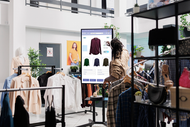
How Interactive Retail Displays Enhance Customers' Experience
Published by The Global Display Solution on October 10, 2025, 11:14 pm
In today’s competitive retail world, customer expectations have reached new heights. Shoppers want more than access to products; they seek engagement, discovery, and convenience. Interactive retail displays are changing how brands connect with people in physical spaces, turning store visits into personalized and memorable experiences.
From touchscreen kiosks to smart mirrors, this technology allows retailers to bridge the gap between online and in-store experiences. Combining sensory engagement with helpful information keeps shoppers curious, involved, and connected to a brand’s story from the moment they enter the store.
A Shift from Transaction to Experience
Modern shoppers don’t visit stores just to buy; they visit to experience. Static signage still has a role, but customers now expect dynamic, responsive engagement. Interactive retail displays let them explore inventory, check availability, or learn about products without waiting for assistance.
This shift centers on connection. When customers feel included in the experience rather than treated as passive viewers, they stay longer, build positive associations, and are more likely to purchase. Retailers are moving from one-way messaging toward technology that communicates with customers, not at them.
Bridging the Gap Between Physical and Digital
Interactive displays are thriving because they blend physical shopping with digital innovation. Self-service kiosks, endless aisle screens, and interactive tablets enable customers to browse beyond in-store inventory. This integration keeps physical spaces relevant in a digital-first world.
Imagine a shoe store where customers design sneakers on a touchscreen, check real-time inventory, and order delivery without standing in line. Or a beauty store where augmented reality mirrors let shoppers test makeup virtually before buying. These experiences merge tactile discovery with online convenience, creating the best of both worlds.
Personalization as the Heart of Engagement
Personalization is one of the greatest advantages of interactive retail displays. Customers appreciate content that reflects their habits and preferences. Advanced systems can identify repeat visitors, adjust promotions, and recommend products based on past behavior.
This creates a sense of recognition and belonging. For example, a returning shopper might be greeted by name or shown a promotion on a favorite product line. Such thoughtful interactions turn routine shopping into meaningful experiences. Personalized engagement also strengthens customer loyalty and builds long-term trust.
The Role of Immersion and Storytelling
Retail displays have evolved into storytelling platforms. A well-designed display transports customers into the brand’s world with motion graphics, video walls, and ambient sound. This multisensory strategy sparks emotion, a key driver in decision-making.
An outdoor gear retailer might project mountain scenes on walls, or a surf shop might display interactive waves that respond to movement. These creative approaches make brand stories come alive, turning passive observation into active exploration. Immersive storytelling leaves a lasting emotional impression that influences purchasing decisions.
Technology that Drives Interaction
Today’s display technologies make interactive retail experiences more accessible. Touchscreens allow easy navigation through product catalogs, while sensors and RFID systems respond to proximity and item handling.
Smart mirrors have transformed apparel and beauty retail, letting customers test products virtually and compare styles instantly. Projection mapping and holographic displays add depth and turn simple surfaces into dynamic showcases.
Technology should always serve the customer’s journey. Displays need to simplify shopping, not complicate it. The best designs blend utility with enjoyment and make interaction feel natural and rewarding.
Creating a Seamless Omnichannel Experience
Interactive displays also support an omnichannel strategy and connect digital and physical platforms for a unified customer journey. When customers can scan a QR code to learn more about a product, receive mobile notifications, or complete online checkouts from an in-store display, they experience continuity that builds trust.
This fluid movement between touchpoints eliminates friction. It also offers valuable insights into customer behavior. Retailers can gather data on which products attract the most interest, what information customers seek, and how long they engage with a display.
With these insights, brands can refine store layouts, content, and promotions for better outcomes.
Measuring Impact and ROI
Capturing attention is only part of success. Metrics such as dwell time, conversion rates, and satisfaction levels measure how well displays perform. If engagement is high but sales don’t follow, retailers can adjust placement, visuals, or messaging to improve results.
Continuous analysis helps optimize outcomes, reduce waste, and strengthen ROI. Once viewed as an experimental cost, interactive displays have become proven growth tools supported by measurable impact.
Addressing Practical Considerations
Implementing interactive displays requires planning. Maintenance, content management, and staff training are vital to long-term success. Neglecting these areas can lead to frustration or loss of engagement.
A centralized content management system allows easy updates and coordination across multiple stores. Trained staff can support and troubleshoot displays to keep the experience smooth and consistent.
Privacy also matters. As displays use data to personalize experiences, transparency is crucial. Retailers must clearly communicate what data is collected and how it is used to maintain customer trust.
A Future of Interactive Innovation
The future of retail belongs to interaction. Advancements like artificial intelligence, gesture recognition, and real-time analytics will make displays smarter and more adaptive. These systems will respond instantly to customer behavior and create hyper-personalized, intuitive experiences.
Future displays may even engage all senses – sight, sound, touch, and scent – to create deeper emotional connections. Retailers who adopt these tools thoughtfully will stand out with experiences that cannot be replicated online.
Our Commitment to Retail Innovation
The Global Display Solution believes interactive technology should inspire connection, not complication. Our team designs and manufactures display systems that make shopping environments more engaging, informative, and impactful. From digital signage to touchscreen kiosks, we create tools that bring brands and customers closer together.
Every project we take on is driven by creativity, precision, and collaboration. We understand that every retailer has unique goals, and our mission is to help translate those goals into visual experiences that captivate audiences.
Ready to spark engagement that customers will remember? Discover how our innovative display solutions can bring your store’s story to life. Visit The Global Display Solution to learn more.