
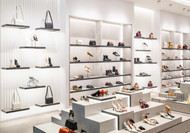
5 Small Shop Layout Ideas That Improve Customer Flow
Published by The Global Display Solution on June 25, 2026, 11:45 pm
Quick SummaryCustomer flow is one of the most important and often overlooked factors in retail success. This article covers practical layout ideas that help small shop owners guide shoppers naturally through their space, reduce friction, and increase purchase opportunities at every stage of the visit. It focuses on entrance design, aisle width, fixture placement, and checkout positioning, all based on how customers actually move and behave in a retail environment shaped by a strong small shop layout. |
A well-planned small shop layout does something that most customers will never consciously notice — it makes shopping feel effortless. When people move through a space without confusion, discover products without having to search, and reach the checkout without feeling rushed or lost, the experience feels natural.
But that naturalness doesn't happen by accident. It's the result of deliberate decisions about how space, store fixtures and displays, and traffic patterns work together.
Retail rack product displays, new retail store display products, and even the width of your aisles all play a role in shaping how customers behave once they're inside your store. In compact environments, these decisions matter even more because there is less room to correct a weak small shop layout once customers are already inside.
Design Your Entrance to Invite Rather Than Overwhelm
The entrance is the first point of contact in any small shop layout, and first impressions form almost instantly. A clean, open, and welcoming entry sets a positive tone that carries through the entire visit. A cluttered or confusing entrance creates hesitation before customers even begin browsing.
The decompression zone, which is the area just inside the entrance, should remain open and visually calm. Customers need a short moment to adjust to the outside environment, slow down, and orient themselves. Overloading this space with dense displays or heavy signage often reduces engagement, even when the intention is to highlight key products.
A more effective approach in a small shop layout is to use this area to establish direction and tone. A single focal display, a clear welcome sign, or an open sightline deeper into the store helps customers understand where to go next. That clarity encourages movement rather than hesitation and supports a smoother overall experience.
Define a Natural Path Through the Store
Even in compact retail spaces, customers tend to move more comfortably when there is a subtle sense of direction. A strong small shop layout does not rely on strict pathways, but it does benefit from an implied flow that guides how people move through the space.
Fixture placement, display orientation, and overall spatial arrangement all contribute to that flow. Angled shelving can gently encourage forward movement. Open space that leads toward the back of the store naturally invites exploration. These small visual cues work together to create movement patterns without the need for explicit instructions.
A well-designed small shop layout also helps reduce navigation issues. In tight environments, two-way traffic can easily create bottlenecks or awkward stopping points. A loosely guided circular or directional flow helps ease that pressure and keeps the shopping experience smoother and more comfortable for everyone.
Get Your Aisle Width Right
Aisle width is one of those details that has a major impact on how a small shop feels to navigate. Too narrow, and customers feel confined. They tend to move quickly instead of browsing and are less likely to pause and engage with products on either side. Too wide, and valuable display space is lost without delivering a meaningful improvement in the shopping experience.
Most small retail environments work well with a minimum aisle width of around three feet, which allows customers to move comfortably without feeling restricted. High-traffic areas, such as the main walkway and the space around checkout, benefit from additional width to reduce congestion during busy periods.
The fixtures along each aisle also play an important role. Low fixtures help maintain open sightlines and make the space feel larger and more open. Taller fixtures create a more enclosed, corridor-like atmosphere, which can work in certain store formats but may feel restrictive in smaller environments.
Aligning fixture height with the proportions and feel of the store improves overall comfort and ease of movement.
Position Your Best Products Strategically
Product placement is one of the most powerful tools in any retail setting. In a small shop, it becomes even more influential because customers naturally see a larger share of the inventory during each visit. The location of your best sellers, high-margin items, and new arrivals directly affects what customers notice and what they decide to buy.
The right side of the entrance is often the first area to attract attention, as many shoppers instinctively turn right when entering. Placing a strong display or featured product in this zone captures interest at a moment when customers are most open to discovery.
The back of the store is another highly valuable but often underused area. Drawing customers toward the rear with a destination product, a compelling display, or a clear visual path makes sure that they pass through multiple sections along the way.
That journey increases exposure to more products, which is where a large share of unplanned purchases occurs. A layout that consistently guides customers to the back typically outperforms one that allows them to stop near the entrance and exit quickly.
Use Fixtures to Define Zones Without Walls
One of the main challenges in a small shop layout is creating structure and variety without the benefit of separate rooms or large floor areas. Fixtures solve this challenge effectively by creating visual separation without physical barriers.
Changes in shelving style, display height, or product grouping can signal to customers that they are entering a different part of the store. These subtle transitions help organize the space and guide movement without the need for walls or partitions.
This approach makes a small store feel more layered and engaging. Customers who perceive different zones within the space are more likely to explore fully, rather than treating the store as one continuous block of merchandise. Even small adjustments, such as varying fixture finishes, shifting lighting tone, or changing display orientation, can create a stronger sense of discovery and improve overall shopping flow.
How We Can Help You Build a Better Store Layout
At The Global Display Solution, we understand that creating an effective small shop layout takes more than strong ideas. It also depends on the right fixtures, displays, and hardware to turn that plan into a functional retail space. Since 2001, we have worked with retailers to supply the tools needed to build organized, visually appealing, and high-performing stores.
If you're ready to improve your customer flow and make your small shop work harder, browse our full range of display products today or get in touch with our team.
FAQs
What is the best layout for a small retail shop?
There's no single layout that works for every small shop, but free-flow and herringbone layouts tend to perform well in compact spaces. The most important factors are clear sightlines from the entrance, a defined path through the store, and fixtures that create distinct zones without making the space feel crowded.
How do I improve customer flow in a small store?
Start by removing anything that creates friction, such as narrow aisles, cluttered entrances, and unclear product placement. Create a natural movement path through the space using thoughtful fixture positioning and display arrangement. Guide customers toward the back of the store rather than allowing them to linger only near the entrance, so they experience more of the layout during their visit.
Where should the checkout be in a small shop?
Positioning the checkout toward the back or side of the store encourages customers to travel through more of your space before paying. It also creates a natural opportunity for impulse purchases near the counter. Avoid placing the checkout directly at the entrance, as this can shorten the customer journey and reduce overall basket size.