
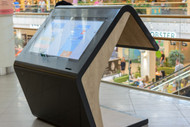
A Guide To Designing A Wayfinding Signage
Published by The Global Display Solution on April 16, 2026, 12:23 am
Wayfinding signage plays a critical role in helping visitors navigate complex spaces such as malls, hospitals, airports, and large office buildings. Effective signage not only prevents confusion but also enhances safety, efficiency, and the overall experience.
Following the right wayfinding signage design guidelines helps keep signs clear, legible, and visually consistent, making it easier for people to find their way without frustration.
Understanding Your Audience
Before creating any signage, it’s important to understand who will be using it. Consider the demographics, language preferences, and mobility needs of your visitors. Are the majority of people local residents, tourists, or first-time visitors? Do you need to account for individuals with visual impairments or limited mobility?
Understanding your audience helps you tailor the design, placement, and content of signs. This helps each sign communicate clearly and supports a smooth navigation experience. Audience analysis can also guide decisions about iconography, text size, and color contrast, which are all critical elements of successful wayfinding.
Clear Hierarchy and Information Structure
One of the most important aspects of wayfinding signage is establishing a clear hierarchy of information. Signs should convey the most important information first, followed by supporting details. For example, directional arrows, floor numbers, and destination names should be immediately visible, while secondary details like hours of operation or additional instructions can be included in smaller text.
Creating a logical information structure prevents cognitive overload for visitors and allows them to quickly understand where to go. Consistency across all signage, from wall-mounted signs to freestanding kiosks, reinforces clarity and reliability. Visitors should be able to glance at a sign and instantly grasp the next step in their route.
Legibility and Typography
Legibility is key to effective signage. Selecting clear, simple fonts without unnecessary embellishments improves readability, especially from a distance or at a glance. Sans-serif typefaces are generally recommended for directional signs due to their clean lines and clarity.
Font size should correspond to the distance from which the sign will be viewed. Large, bold text is essential in high-traffic or open areas, while smaller signs may suffice in more intimate or close-proximity locations.
Color and Contrast
Color is not just an aesthetic choice; it plays a critical functional role in wayfinding signage. High-contrast color combinations, such as dark text on a light background, significantly improve legibility. Colors can also be used to differentiate between zones, types of destinations, or levels within a building.
It’s important to maintain consistency with color coding across all signs to prevent confusion. Overly bright or clashing colors can be distracting, while subtle and purposeful color choices can guide visitors intuitively. Additionally, incorporating universally recognized color cues, like green for exits, can enhance understanding for all users.
Placement and Visibility
Strategic placement is essential to ensure that signs are noticed and understood. Signs should be positioned at eye level whenever possible, in clear sightlines, and in locations where decisions are made. This includes intersections, entrances, exits, and areas where visitors may hesitate or feel uncertain.
Visibility also depends on lighting and environmental factors. Signs should be illuminated or designed to remain readable in low-light conditions, and materials should minimize glare or reflections. Effective placement helps visitors encounter the right information at the right moment at the right moment, reducing confusion and improving flow throughout the space.
Accessibility Considerations
Ensuring that your wayfinding signage is accessible to all visitors is a key part of effective design. Signs should comply with ADA (Americans with Disabilities Act) standards, including appropriate mounting heights, tactile lettering, and Braille where necessary. Accessibility also extends to font choice, contrast, and color combinations that can be easily read by individuals with visual impairments or color blindness.
Considering accessibility not only promotes inclusivity but also enhances the overall functionality of your signage. By planning for a diverse range of users, your signs can guide everyone efficiently and safely. Accessibility-focused design helps all visitors feel welcome and confident navigating your facility.
Material and Durability
The materials you choose for wayfinding signage impact both appearance and longevity. Signs in high-traffic areas should be constructed from durable, easy-to-clean materials that withstand frequent handling and environmental factors such as sunlight, moisture, or temperature changes. Options like acrylic, metal, or high-quality PVC provide durability while maintaining a professional aesthetic.
Durable materials also allow signs to retain clarity and color over time, reducing maintenance needs and replacement costs. Consistent upkeep of your signage contributes to a polished and professional environment, reinforcing a positive impression for visitors. Well-chosen materials help your investment in signage continue to perform effectively for years.
Directional Clarity and Consistency
Consistent directional cues are essential to reduce confusion and improve flow within a space. All signage should follow a unified system of icons, arrows, and labels so visitors can quickly interpret the information. Repeating key destinations or decision points at regular intervals helps reinforce navigation and minimizes backtracking or hesitation.
Consistency also extends to language and terminology used across signs. Avoiding jargon and using simple, concise phrasing helps make your directions easy to understand. When visitors can rely on a consistent and logical system, they feel more confident and comfortable navigating your facility.
Integrating Branding and Aesthetics
While functionality is critical, signage should also reflect your brand’s identity. Incorporating your logo, color palette, and design elements can enhance recognition while maintaining clear messaging. Branded wayfinding signage can make a facility feel cohesive, professional, and welcoming.
Careful integration of aesthetics helps keep signs both visually appealing and functional. Thoughtful design can subtly guide visitors while reinforcing your brand personality, creating a more memorable and pleasant experience.
How The Global Display Solution Can Help
At The Global Display Solution, we provide high-quality wayfinding signage and display solutions that meet both functional and aesthetic needs. We help you select the right materials, sizes, and designs to guide visitors effectively while reflecting your brand.
Contact The Global Display Solution today to explore our wayfinding signage options and discover how thoughtful, well-designed signage can transform your facility and make navigation effortless for every visitor.