
Beverage Merchandising: A Guide For Retailers
Published by The Global Display Solution on June 30, 2026, 12:20 am
Quick SummaryHow beverages are displayed in your store has a direct impact on what customers notice, pick up, and ultimately purchase. This guide covers the core principles of effective beverage merchandising, from product placement and temperature zoning to signage, seasonal planning, and the role of retail merchandising supplies in bringing everything together. Retailers who refine their approach to beverage merchandising often see stronger impulse sales, improved category performance, and higher repeat traffic. |
Beverage merchandising is one of the highest-leverage areas in retail. Drinks are among the most common impulse purchases, but only when they are presented in a way that makes them easy to notice and easy to grab.
The right combination of placement, signage, and retail merchandising supplies can turn a modest beverage section into a consistent sales driver.
It doesn't matter if you're running a convenience store, a grocery outlet, a specialty food shop, or a café with packaged goods. The way beverage merchandising is executed shapes what customers choose and how much they spend.
Why Beverage Display Deserves More Attention Than It Gets
Many retailers treat their beverage section as an afterthought — stock the shelves, keep them cold, and move on.
But the drink category rewards deliberate merchandising more than almost any other. Beverages are highly visual. Colorful packaging, varied bottle shapes, and recognizable brand identities create a natural opportunity for displays that are both attractive and functional.
Beverage merchandising also benefits from impulse behavior. A customer may not enter the store planning to buy a drink, but the right visual cue can change that in seconds. Placement, lighting, and signage all influence that moment of decision.
Small, intentional adjustments to beverage merchandising can produce noticeable changes in sales without requiring a full store redesign.
Temperature Zoning and Its Effect on Purchase Behavior
One of the most important foundations of beverage merchandising is temperature zoning, which means separating chilled drinks from shelf-stable options. The way this is executed has a direct impact on customer behavior.
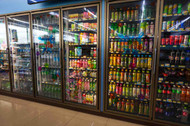
Cold drinks are the strongest drivers of impulse purchases. A customer who feels even slightly thirsty is far more likely to choose a chilled option. Positioning refrigerated sections in high-traffic areas, such as near checkout zones, main aisles, or food sections, helps capture that demand at the right moment. This is a core principle in effective beverage merchandising.
Ambient beverages, including bottled water multipacks and boxed juices, follow a more planned purchase pattern. Clear organization and simple signage matter more here than placement in impulse zones. Grouping products by type or purpose makes this area easier to shop and improves overall beverage merchandising performance.
The Power of Eye-Level Placement
Eye level remains one of the most reliable principles in beverage merchandising. Products placed between waist and shoulder height receive the highest visibility and engagement. Premium drinks, high-margin items, and featured promotions belong in this zone.
Lower shelves are better suited for bulk or value-focused products such as multipacks and large-format bottles. Upper shelves typically work for secondary selections or established brands that already carry strong recognition.
Shelf organization is just as important as placement. Strong facings, where products are pulled forward and aligned neatly, create a full and appealing look. Consistent facings throughout the day are a simple but powerful part of effective beverage merchandising.
Cross-Merchandising Beverages With Complementary Products
One of the most effective, yet often overlooked, strategies in beverage merchandising is cross-merchandising. This involves placing drinks alongside related products to encourage combined purchases.
For example, sparkling water can be positioned next to healthy snacks, craft beer placed near specialty cheeses and charcuterie, or a grab-and-go cooler stocked with both sandwiches and cold beverages in a single convenient location.
Cross-merchandising works because it reduces friction in the buying process. Instead of a customer thinking they need to find the drink section, they are immediately presented with a natural pairing. That simple connection often leads to picking up both items without additional searching. The experience feels intuitive rather than promotional, which increases receptiveness and strengthens overall beverage merchandising results.
Success depends on relevance. Forced pairings, such as placing beverages next to unrelated product categories, rarely deliver the same impact. Effective beverage merchandising relies on understanding how customers actually shop, what they tend to buy together, and building displays around those natural habits.
Signage That Sells
In beverage merchandising, signage does far more than label products. It adds context, communicates value, and influences decision-making. A basic price tag only tells a customer the cost, while a well-designed sign helps explain why the product is worth choosing.
Flavor highlights, origin details, limited-edition notes, and pairing suggestions all add meaning that standard shelf labels cannot achieve. These messages do not need to be complex. A simple, clean sign in a clear holder with a short and focused message is often enough to redirect attention and improve purchase decisions within beverage merchandising displays.
Placement is just as important as messaging. Signs positioned at eye level and angled toward natural customer sightlines perform significantly better than those placed low, off to the side, or printed too small to notice quickly.
Using quality sign holders and display hardware strengthens visibility and helps beverage merchandising communicate more effectively throughout the store.
Managing Your Beverage Section for the Long Term
A strong beverage display is not a one-time setup. It requires consistent attention to remain effective over time. Stock levels, product rotation, signage freshness, and fixture condition all influence how well the section performs on a daily basis.
Out-of-stock gaps are one of the most costly issues in beverage retail. When a customer reaches for a preferred drink and finds an empty space, they do not always choose an alternative.
Many simply leave the section disappointed, and some do not return for that purchase again. Regular restocking checks, especially during peak traffic hours, help keep shelves full and maintain a more reliable shopping experience.
How We Can Help You Merchandise Beverages Better
At The Global Display Solution, we have spent more than two decades helping retailers build displays that perform. Our range includes floor sign holders, poster stands, shelf management systems, sign grippers, price tag moldings, and product display stands, all designed to support organized and effective beverage merchandising environments.
A well-merchandised beverage section is well within reach — and we're here to help you build it. Browse our collection and contact us today.
FAQs
What is beverage merchandising, and why does it matter?
Beverage merchandising refers to how drinks are displayed, organized, and promoted in a retail environment. It matters because beverages are highly impulse-driven, and presentation directly affects whether customers pick them up. A well-planned display can increase sales without changing the product lineup.
Where should cold beverages be placed in a store?
Cold drinks perform best in high-traffic areas where impulse decisions are most likely, such as near checkout counters, along main aisles, or close to food sections. The goal is to position them where a cold drink feels like a quick and appealing choice.
How often should I update my beverage displays?
Seasonal updates every three to four months help keep beverage sections relevant and visually fresh. Promotional displays should change whenever new campaigns launch. Daily attention to restocking and shelf facings plays the biggest role in maintaining strong performance.