
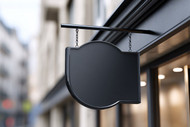
How To Hang Metal Signs In Your Retail Stores
Published by The Global Display Solution on July 5, 2026, 11:46 pm
Quick SummaryMetal signs are a durable, high-impact way to communicate with shoppers, but only when installed correctly and positioned with intention. This article explains the key considerations for installation in a retail environment, including wall surface types, hardware selection, height and angle guidelines, and how signage works alongside other display elements to guide customer movement and support sales. Getting these details right turns static signage into an active part of your store strategy, especially when learning how to hang metal signs effectively. |
Understanding how to hang metal signs is one of those details that separates a polished retail space from one that feels incomplete. Metal signage is widely used in retail because it is durable, visually strong, and flexible across many store types. Its effectiveness depends heavily on placement and installation quality.
Just like retail rack product displays need to be positioned thoughtfully to guide customers toward the right products, metal signage needs to be placed with intention to do its job effectively. A sign mounted at the wrong height, on the wrong surface, or with unsuitable hardware can weaken the shopping experience rather than improve it.
Understanding Your Wall Surface Before You Start
The first step in learning how to hang metal signs is identifying the wall surface. Retail environments vary widely, and each surface requires a different installation approach.
Drywall is the most common and flexible option. Lightweight metal signs can be mounted using adhesive hooks or picture hangers anchored into studs. Heavier signs require drywall anchors or screws secured directly into studs. Locating studs before drilling reduces mistakes and prevents damage.
Concrete and brick surfaces are common in older or industrial-style retail spaces. These materials require masonry anchors and a hammer drill. The installation process takes more effort, but the result is a strong and stable hold for heavy signage.
Wood paneling and framed wood walls are simpler to work with. Standard wood screws typically hold well. The main consideration is appearance, since exposed screw heads may affect the visual finish of the sign and the surrounding area.
Slatwall and gridwall systems are frequently used in retail environments. These systems make hanging metal signs easier because hooks and brackets can be repositioned without drilling. This also helps reduce long-term wall wear while keeping displays flexible.
Choosing the Right Hardware for Metal Signs
Selecting the correct hardware is essential when deciding how to hang metal signs. Incorrect fasteners can cause signs to tilt, loosen, or fall, which affects both safety and presentation.
Lightweight metal signs can often be mounted with adhesive hooks or small wire systems. Medium-weight signs, such as category markers or promotional signage, typically require wall anchors or screws secured into studs for stability.
Heavy metal signs, including large, branded panels or exterior-facing signage, require stronger solutions such as lag screws, reinforced anchors, or mounting brackets that distribute weight across multiple points. In these cases, stronger hardware is always the better choice.
Retail-specific hanging systems can also improve flexibility. Cable suspension systems allow signs to hang from ceiling tracks or overhead fixtures, which is especially useful for larger formats or signage that changes frequently. These systems are often used in professional setups focused on how to hang metal signs in a clean and adjustable way.
Height, Angle, and Visibility
Where a sign is positioned vertically is just as important as its horizontal placement. The goal is to place signage where customers naturally look, which is not always where it feels most obvious to install it.
Eye level for most adult shoppers falls between four and six feet from the floor. Signs that communicate product details, pricing, or promotions should stay within this range to improve readability and engagement. Category markers and wayfinding signs can be placed higher, typically around seven feet and above, where they remain visible from a distance without competing with product displays at eye level.
Angle plays a bigger role than many retailers expect. A sign mounted completely flat against the wall can be harder to read than one that is slightly tilted toward the customer’s line of sight. This becomes especially important at aisle ends or above displays where shoppers approach from a specific direction. Even a small forward tilt, achieved through angled hardware or a simple bracket adjustment, can noticeably improve clarity and visibility.
Lighting also affects performance. A metal sign placed in a dim corner loses impact, even if it is installed correctly. Positioning signage where it benefits from existing store lighting, or adding a focused light source when needed, helps maintain strong visibility and a more professional appearance throughout the day.
Spacing, Grouping, and Visual Balance
The way metal signs relate to each other and to surrounding store elements has a strong influence on how the space feels overall.
Too many signs clustered in one area create visual noise that shoppers quickly ignore. Too few signs in a large space can leave customers feeling uncertain about where to go or what to look at.
A more effective approach is to treat each sign as part of a coordinated visual system rather than an isolated piece. Signs should feel unified in style, finish, and tone, even when they serve different purposes. A promotional sign, a category marker, and a directional sign can work together in the same environment without conflict when there is a consistent visual language.
Spacing is equally important. When multiple signs are crowded into a small area, each one loses impact. Allowing clear space around each sign helps it stand out as a distinct message instead of blending into a cluster. A single, well-positioned sign in a clean area will almost always outperform several signs competing for attention on the same wall.
How We Can Help You Display Signs the Right Way
At The Global Display Solution, we have supported retailers with signage solutions since 2001. Our range includes sign holders, sign grippers, poster display stands, and hanging hardware, all designed to help your metal signs look clean, professional, and stay securely mounted in place.
Good signage is one of the most cost-effective investments a retailer can make — and we're here to make sure yours works as hard as possible. Browse our collection and contact us today.
FAQs
What hardware is best for hanging heavy metal signs in a retail store?
For heavy metal signs, lag screws or heavy-duty wall anchors secured into wall studs are typically the most reliable option. For larger signs or those that need to be repositioned often, cable suspension systems mounted to ceiling tracks create a strong and flexible solution that avoids unnecessary wall damage.
How high should metal signs be hung in a retail environment?
Promotional and product-focused signs perform best when placed between four and six feet from the floor, which aligns with natural eye level for most shoppers. Category markers and wayfinding signs are usually positioned higher, often above seven feet, where they remain visible across the store without interfering with product displays.
Can metal signs be hung on slatwall or gridwall systems?
Yes, both slatwall and gridwall systems work well for metal signage. Compatible hooks and brackets make installation simple and allow signs to be repositioned easily without drilling. This makes them a practical choice for retailers who frequently update layouts or promotions.