
5 Practical Ways To Hang Acrylic Signs Safely
Published by The Global Display Solution on May 5, 2026, 5:59 am
Quick Summary
If you are figuring out how to hang acrylic sign displays in a retail or commercial space, the method you choose shapes both safety and visual impact. Acrylic signs look clean and modern, yet they still need proper support to stay secure over time. A poorly mounted sign can shift, fall, or damage the wall, which affects both appearance and safety.
We have worked with many types of display materials and installations, so we know that small decisions during setup can make a big difference. From selecting the right hardware to preparing the surface, each step plays a role in how the sign performs.
This guide explains five practical methods that help you learn how to hang acrylic sign installations with more control and confidence.
Standoff Mounting For A Clean Floating Look
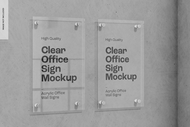
Standoff mounting is one of the most widely used methods for acrylic signage. Metal spacers hold the panel slightly away from the wall, creating a floating visual effect with added depth.
This style fits well in offices, retail environments, and reception areas where presentation quality is important. The spacing creates soft shadowing that enhances visibility while keeping the sign edges from directly contacting the wall surface, which can help reduce long-term wear.
Installation involves drilling into the wall and aligning pre-cut holes in the acrylic sheet. Accuracy is important at this stage. A template helps maintain even spacing and alignment. Tightening should be done with care since acrylic can crack under excessive pressure.
Standoff systems also handle heavier panels better than adhesive solutions, making them suitable for permanent or long-term installations where stability is a priority.
Adhesive Mounting For Smooth Indoor Surfaces
Adhesive mounting is a simple option for lightweight acrylic signs. Strong double-sided tape designed for signage is used to attach the panel directly to a wall surface.
This method works best on smooth materials such as painted drywall, glass, or metal. The result is a flush finish that creates a minimal and modern look suitable for contemporary retail or office interiors.
Surface preparation is important for reliable adhesion. Dust, oil, or uneven textures can reduce bond strength. Cleaning and drying the surface before application helps improve performance. Firm pressure during installation also contributes to a more secure hold over time.
Adhesive mounting is most effective for smaller signs. Larger panels may require additional reinforcement, especially in environments with temperature changes or humidity fluctuations.
Screw And Anchor Mounting For Extra Stability
Screw and anchor mounting delivers strong support for heavier acrylic signs or surfaces that are not suitable for adhesive solutions. Wall anchors combined with screws secure the panel directly to the structure.
This method is often used on concrete, brick, or exterior walls where durability is more important than decorative spacing. It reduces movement risk and improves long-term stability.
Installation begins with precise marking and drilling. Wall anchors help distribute weight evenly, while screws with protective washers reduce stress on the acrylic surface. Although this method does not create a floating effect like standoffs, it remains one of the most dependable options for large signage in demanding environments.
Ceiling Suspension For Flexible Display Placement
Ceiling suspension systems hang acrylic signs using cables or rods, making them useful in retail spaces, showrooms, or areas where wall mounting is not practical.
Suspended signage can be positioned at different heights, improving visibility from multiple angles. This flexibility helps guide attention and enhances spatial design within a room.
Cables connect from ceiling mounts to the acrylic panel through small fittings. Proper balancing is important since uneven tension can affect alignment. Each adjustment must be made carefully to keep the sign level.
This approach works well for medium-sized panels and environments where displays may change frequently. Adjustments are generally easier compared to fixed wall installations.
Frame Or Rail Systems For Added Support
Frame or rail systems secure acrylic signs along their edges without drilling through the panel itself. The structure holds the sign in place using channels or sliding rails.
This method is practical for displays that require regular updates. Panels can be removed and replaced without altering the wall setup, which adds flexibility for changing content. It also helps protect acrylic edges from damage during handling.
Rail systems may be mounted on walls or ceilings, depending on design needs. Styles range from simple functional channels to more decorative frames that match interior aesthetics. Retail environments often use this approach due to frequent promotional changes and the need for clean, organized presentation.
Choosing The Right Method For Your Space
Selecting the right installation approach depends on several factors. Size and weight are primary considerations since larger panels require stronger support systems.
Surface type also influences the decision. Smooth walls work well with adhesives, while textured or uneven surfaces typically require screws or anchors. Environmental conditions matter as well, especially for areas exposed to humidity or temperature changes.
Visual preference plays an important role. Some spaces benefit from a floating effect, while others suit a flush or framed style. Aligning the mounting method with the overall design improves visual consistency.
Understanding how to hang acrylic sign installations correctly helps prevent alignment issues and supports a more professional finish. Careful planning, accurate measurement, and proper tools all contribute to better long-term results.
A Smarter Approach To Acrylic Sign Displays
At The Global Display Solution, we work closely with businesses that want display systems that balance function and design. Acrylic signage continues to be a popular choice because of its clarity and versatility. The way it is installed plays a big role in how it performs over time.
A well-mounted sign does more than stay in place. It enhances the overall space and supports your brand presence. When the setup is done right, the sign becomes part of the environment rather than just an attachment to the wall.
If you are planning your next display project, it helps to think beyond the sign itself. The mounting method, the surface, and the surrounding space all work together. When these elements align, the result feels intentional and polished.
FAQs
How do I choose the best method for mounting an acrylic sign?
The right method depends on the size, weight, and location of your sign. Lightweight signs often work well with adhesive mounting on smooth surfaces. Heavier or larger signs usually need standoffs or screw mounting for better support. Indoor spaces allow more flexibility, while outdoor areas call for stronger, more secure options.
Can I hang an acrylic sign without drilling holes?
Yes, adhesive mounting is a common no-drill option. It uses strong double-sided tape to attach the sign directly to the wall. This works best on clean, smooth surfaces and with smaller signs. It may not hold well on textured walls or in areas with high humidity or heat.
Why is my acrylic sign not sitting level after installation?
This usually happens when the initial markings or measurements are slightly off. Even a small misalignment can affect the final look. Using a level tool and a placement template during setup helps avoid this issue. For suspended signs, uneven cable tension can also cause the sign to tilt.