
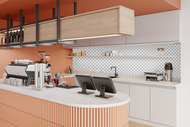
5 Reasons Why L-Shaped Checkout Counter Is A Good Option For Your Retail Store
Published by The Global Display Solution on May 10, 2026, 11:48 pm
Quick Summary
When planning a retail space, every fixture influences how customers move, browse, and complete purchases. The checkout area is often underestimated, yet it plays a central role in shaping the overall shopping experience. A well-planned L-shaped checkout counter can change how a store operates from the moment customers enter to the final point of sale.
Instead of treating checkout as a simple payment station, many retailers now view it as a functional and strategic zone. It affects traffic flow, staff productivity, and last-minute buying behavior. A properly designed L-shaped checkout counter supports smoother operations while improving both customer and staff experience.
Below are five practical reasons why this layout is a strong choice for modern retail environments.
Makes Better Use of Limited Space
Retail space always feels more limited during real-world operations than during planning. Every corner matters, especially in smaller stores where layout decisions directly impact movement and product visibility.
An L-shaped checkout counter uses corner areas that often go unused. Instead of placing a straight counter that divides the floor, this design fits naturally into the edges and frees up the central space. This creates better room for aisles, displays, and customer movement.
Customers experience a more open layout with less congestion. Staff gain a clearly defined workstation that stays separated from main traffic paths. The result is a balanced environment where functionality and comfort work together.
This layout is commonly used in boutiques, convenience stores, and specialty shops where efficient space usage is essential.
Why First Impressions Matter In Retail Spaces
The first few seconds inside a store shape how customers perceive the entire experience. Layout, lighting, and visual cues influence attention before any product interaction happens.
Promotional signage plays an important role in guiding that first impression. Clear and visible messaging helps create an active retail environment and signals that something relevant is happening inside the store.
Without structured visual direction, customers may overlook key products or feel uncertain about where to move next. Strong signage improves navigation and strengthens engagement from the beginning of the visit.
Improves Staff Workflow and Efficiency
A checkout area should enhance the working conditions of staff rather than complicate them. Poor layout design can slow down transactions and increase pressure during peak hours.
An L-shaped checkout counter creates a natural separation of tasks. One section can handle payments, while the other supports packing, organizing items, or processing returns. This division reduces unnecessary movement and keeps operations structured.
With essential tools placed within reach, staff spend less time walking back and forth. This improves transaction speed and reduces customer wait times, especially during busy periods.
Over time, this leads to more consistent workflow and better service delivery throughout the day.
Creates a Clear Customer Flow
One of the biggest challenges in retail design is guiding customers without using signs or barriers. A well-placed checkout counter can do this quietly through its shape and position.
The L-shaped layout naturally signals where customers should line up. It creates a defined point for transactions, which reduces confusion and prevents crowding.
Instead of wandering through the store searching for checkout, customers are directed toward a clear endpoint. This improves organization during high-traffic hours and reduces unnecessary congestion. A smoother flow contributes to a more comfortable shopping experience and helps the store feel easier to navigate.
Encourages Impulse Purchases
The checkout area is one of the most valuable zones for influencing final purchase decisions. Customers waiting in line are already in a buying mindset, which creates opportunities for additional sales.
An L-shaped checkout counter increases available surface area for small product displays. These spaces can be used for accessories, low-cost add-ons, or seasonal items placed within easy reach.
Compared to straight counters, the extended layout offers more visibility without overwhelming the space. Products placed strategically near the checkout can attract attention naturally and encourage quick decisions. This approach supports increased transaction value without creating pressure on the customer.
Enhances the Overall Store Experience
First impressions matter, but so do last impressions. The checkout counter is often the final interaction point, which means it leaves a lasting impact on how customers remember your store.
An L-shaped checkout counter creates a structured and organized final step in the shopping process. The layout feels intentional, which reflects positively on the overall brand image.
Customers appreciate a checkout process that feels smooth and easy. A clear layout reduces stress and keeps the experience consistent from start to finish.
For staff, a well-designed counter creates a more comfortable working environment. This can influence how they interact with customers, leading to better service overall. When the checkout area supports both efficiency and comfort, it contributes to a stronger retail experience.
Choosing the Right Checkout Solution for Your Store
Every retail store has its own layout, audience, and goals. Choosing the right checkout counter means looking at how your space operates daily.
We believe that a checkout counter should do more than handle payments. It should support your team, guide your customers, and help drive sales in a subtle way. Thoughtful design can turn a simple fixture into a valuable part of your store strategy.
At The Global Display Solution, we focus on creating retail fixtures that match real business needs. Our approach considers how your space works, how your customers move, and how your team operates each day.
If you are planning to upgrade your store layout or rethink your checkout area, it may be time to look at solutions that work smarter. A well-designed counter can shape the way your store performs long after installation.
FAQs
What makes an L-shaped checkout counter different from a straight counter?
An L-shaped counter uses corner space and creates two connected work areas. A straight counter runs in one line and offers less flexibility. The L-shape supports better workflow and clearer customer direction.
Is an L-shaped checkout counter suitable for small retail stores?
Yes, it works well in smaller spaces. It fits into corners and frees up the center of the store. This layout helps improve movement while keeping the checkout area organized.
Can an L-shaped checkout counter help increase sales?
It can support higher sales by creating space for small product displays near the checkout. Customers waiting to pay may notice these items and add them to their purchase.