
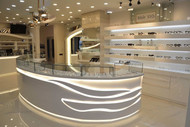
5 Small Shop Display Ideas To Maximize Sales In Limited Spaces
Published by The Global Display Solution on June 20, 2026, 5:31 am
Quick SummaryLimited floor space does not have to mean limited sales. This article explores practical display strategies designed specifically for compact retail environments, including vertical merchandising, modular fixtures, lighting techniques, and strategic product grouping. Each approach in these small shop display ideas is designed to help retailers make better use of every square foot, create a more intentional shopping experience, and improve product movement without increasing store size. |
Small shop display ideas matter to every independent retailer because space constraints make every decision more impactful. A cramped or cluttered store can overwhelm customers and shorten browsing time. A well-planned layout, on the other hand, feels curated, easy to navigate, and naturally encourages exploration. Strong small shop display ideas help turn limited space into a high-performing retail environment.
The tools that make this possible — retail rack product displays, store fixtures and displays designed for compact environments, and new retail store display products built with flexibility in mind — have come a long way. Small retailers today have more options than ever for creating a high-impact shopping environment without needing a large footprint to do it.
Go Vertical With Your Displays
When floor space is tight, the walls and vertical real estate above eye level become some of your most valuable selling surfaces. Tall shelving units, wall-mounted display systems, and vertical product stands let you stock more product without consuming additional floor area.
The key to making vertical displays work is organization. Products stacked too high without clear visual breaks can feel inaccessible or overwhelming. Grouping items by category or color as you move up the display keeps things readable and encourages customers to scan the full range rather than just grabbing whatever is at eye level and moving on.
Vertical merchandising also creates an opportunity to use height as a storytelling tool — placing complementary products at different levels to guide the eye naturally from one item to the next.
Use Modular Fixtures That Adapt to Your Needs
Flexibility is essential when applying small shop display ideas in changing retail environments. Modular fixtures such as adjustable shelving, reconfigurable stands, and movable rack systems allow layouts to evolve with inventory, seasonal shifts, and promotions.
A fixture that works as a freestanding product stand today can be repositioned against a wall tomorrow to open up floor space for a seasonal display. This kind of adaptability means your store never feels static, which keeps returning customers curious and engaged.
When choosing modular fixtures, look for options that are sturdy, visually consistent with your brand, and easy to reconfigure without specialized tools. The less friction involved in making a change, the more likely you are to keep your layout optimized on an ongoing basis.
Create Clear Sightlines From the Entrance
Sightlines play a major role in how customers experience small shop display ideas from the moment they enter. A blocked or visually crowded entrance can create hesitation, while a clear view into the store encourages movement and exploration.
Creating a clear sightline from the entrance to the back of the store — even in a compact space — gives customers an immediate sense of orientation. It signals that the store is navigable and worth exploring. A well-placed display or a visually striking product grouping at the far end of the sightline acts as a magnet, drawing customers deeper into the space.
Keeping the entrance area open reinforces this effect. The decompression zone does not need to be large, but protecting it from clutter supports more effective small shop display ideas by giving customers space to adjust before engaging with products.
Group Products by Story, Not Just Category
Organizing products by category makes sense from an operational standpoint, but it is not always the most persuasive approach, especially in a small space where every display needs to work harder. Grouping items by story or use case creates a stronger context and naturally encourages multiple-item purchases.
A display built around a specific lifestyle moment, such as a morning routine, a dinner gathering, or a seasonal activity, helps customers see the bigger picture instead of evaluating products one by one. When items are arranged in a way that feels intuitive and connected, customers are more likely to purchase several pieces together rather than choosing a single item.
This method also strengthens the overall feel of the store. It makes the space appear more curated and intentional, which increases the perceived value of everything on display. In a small shop, that sense of thoughtful presentation can become a clear advantage over larger but less personalized retail environments.
Make the Most of Endcaps and Corner Spaces
Endcaps and corner areas are often underused in small retail environments, even though they sit at natural transition points in the shopping journey. These are areas where customers pause, shift direction, or briefly refocus, which makes them ideal for featured products, promotions, or higher-margin items.
An endcap does not need to be complex to be effective. A focused display with clear signage and a limited selection of well-chosen products will almost always outperform a crowded or unfocused arrangement. The goal is to capture attention during moments when customers are already mentally transitioning, which increases openness to new products.
Corner spaces can easily become overlooked or filled with leftover stock if they are not planned carefully. Treating them as intentional display zones instead, using corner shelving units or rotating stands designed for angled layouts, turns these areas into productive selling points rather than dead space.
When every corner is given a clear purpose, the entire store feels more structured and intentional. That sense of order influences how customers perceive the space, even if they are not consciously aware of it.
How We Can Help You Make the Most of Your Space
The Global Display Solution knows the challenges small retailers face, and we have spent more than two decades developing an inventory tailored to solve them.
Our range includes display solutions designed specifically for compact retail environments, such as vertical shelving systems, modular fixture options, floor sign holders, product stands, shelf management systems, and sign grippers.
Whether you're setting up a new space or refreshing an existing one, our product range gives you the flexibility to build a layout that works for your store and your customers. Browse our collection and contact us today.
FAQs
What are the best display solutions for a very small retail space?
Vertical shelving units, modular fixtures, and wall-mounted display systems are among the most effective choices for compact retail environments. They increase product capacity without taking up valuable floor space, while modular designs make it easy to adjust layouts as inventory and promotions change.
How do I make a small shop look bigger and more inviting?
Clear sightlines from the entrance, strategic lighting, and a consistent, uncluttered signage system all contribute to making a small space feel more open and navigable. Keeping the decompression zone near the entrance relatively clear and using vertical displays to draw the eye upward also helps create a sense of spaciousness.
How often should I change my store displays?
Seasonal updates every three to four months are a good baseline, but smaller changes should happen more frequently. Refreshing endcaps, rotating featured products, and updating signage regularly help maintain customer interest and keep the store feeling current.
Do display fixtures really make a difference in a small store?
Yes. In smaller retail environments, fixtures have a major impact on both layout and customer experience. Well-designed fixtures improve flow, highlight products more effectively, and help create a shopping environment that encourages customers to stay longer and engage more with the space.