
How To Increase Retail Dwell Time With Smart Store Design
Published by The Global Display Solution on August 5, 2026, 11:43 pm
Quick Summary
Small, intentional choices in layout, lighting, and product placement can hold a shopper's attention far longer than most store owners expect. Wide entry paths paired with narrower interior aisles naturally slow the pace, while layered lighting and varied display heights keep the eye moving rather than settling. A bench, a sample station, or simply something new near the entrance gives customers a reason to linger a little longer. None of these changes require a major renovation, just a willingness to look at a space through a shopper's eyes.
Shoppers often decide within seconds if a store is worth a longer look, and that first impression shapes how long they stay. The longer someone lingers in a space, the more likely they are to browse, discover something new, and eventually make a purchase.
This is where retail dwell time comes in, one of the simplest ways to gauge how well a layout is working for its shoppers. The Global Display Solution has spent years helping retailers design spaces that invite customers to slow down and look around, and we've picked up a few lessons worth sharing along the way.
Why Retail Dwell Time Matters
When customers spend more time in a store, they naturally see more of what's on the shelves. A few extra minutes can mean the difference between someone grabbing the one item they came for and someone wandering into a section they didn't expect to enjoy.
Store owners who pay attention to layout, lighting, and placement often find that customers stick around longer without needing to be told to slow down. Small changes to how a space is arranged can extend retail dwell time in ways that feel effortless for the shopper. A longer stay often translates into a better chance of a sale.
Design a Layout That Invites Exploration
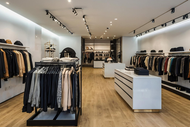
A store's layout sets the tone before a single word is spoken. Wide, clear pathways near the entrance give customers room to get their bearings. Narrower aisles further inside can slow the pace and encourage a closer look at what's on display.
Placing retail rack product displays along natural walking paths gives customers a reason to pause without blocking foot traffic. Grouping related items together also helps, since it turns a simple errand into a small journey of discovery. Even something as simple as angling a display toward the entrance can catch a shopper's eye and pull them a few steps deeper into the store.
Let Lighting Guide the Eye
Lighting does more than help people see what they're buying. It sets a mood and quietly tells shoppers where to look next.
A few lighting choices worth considering:
- Warm lighting: Creates a welcoming glow near entryways and seating areas
- Focused spotlights: Draw attention to seasonal or new arrivals
- Layered lighting: Combines ambient, task, and accent light so no corner of the store feels overlooked
- Dimmer switches: Allow lighting to change with the time of day or season
Fixtures and Displays That Do the Talking
Good store fixtures and displays do more than hold merchandise. They tell a story about what a brand values and what it wants customers to notice first. Open shelving feels approachable.
Closed cabinets can add a sense of value to smaller, higher-priced items. Mixing a few different display heights keeps the eye moving rather than settling on a single flat row of products, and that small bit of visual movement can hold a shopper's attention a little longer.
Give Shoppers a Reason to Pause
A bench near a fitting room or a small seating area by the window gives shoppers a natural place to slow down, especially if they're browsing with a friend or family member.
Product samples, scent stations, or a simple display someone can touch and pick up all invite a longer look. People tend to stay where they feel comfortable, and comfort is often as simple as a place to sit or something interesting to hold.
Keep New Arrivals Front and Center
Rotating what's on display keeps a store feeling fresh, even to shoppers who visit often. Featuring new retail store display products near the front of the store gives returning customers something new to notice the moment they walk in.
The small sense of discovery can be enough to keep them browsing a few extra minutes. Seasonal swaps, limited runs, or a simple "just arrived" section all work toward the same goal.
A Few Quick Wins Worth Trying
Small design choices add up over time. Here are a few worth testing in your own space:
- Add a focal point: Something eye-catching near the entrance draws people further in and gives them a reason to keep walking
- Keep pathways clear: Clutter near the front door can send shoppers straight back out before they've had a chance to look around
- Vary display heights: A mix of tall and low displays keeps the eye moving instead of settling on one flat row
- Refresh signage often: Even small wording changes can make a display feel new again, even to regular customers
- Group related items together: Pairing complementary products encourages shoppers to browse a little longer instead of grabbing one item and leaving
Testing a few of these at once makes it easier to see what actually holds a shopper's attention.
Designing Spaces Shoppers Want to Stay in
None of this calls for a full renovation or a big budget. Small, thoughtful changes to layout, lighting, and displays can add up to a store that feels good to walk through and easy to enjoy. At The Global Display Solution, we've helped retailers of different sizes think through these small details, and we'd be glad to do the same for your space. Contact us today.
FAQs
What is retail dwell time and why does it matter?
Retail dwell time refers to how long a shopper stays inside a store during a visit. Longer visits often lead to more browsing, more discovery, and a better chance of a purchase.
How does lighting affect how long customers stay in a store?
Lighting guides a shopper's eye and sets the mood of a space. Warm tones near entryways feel welcoming, while focused spotlights draw attention to specific products worth a second look.
Can small stores benefit from these design changes too?
Yes, smaller spaces can apply these same ideas on a scaled-down level. Even one well-placed display or a small seating area can encourage customers to slow down and look around.
Do I need a full renovation to improve my store layout?
Not at all. Improvements often come from rearranging existing fixtures, adjusting lighting, or refreshing signage instead of large-scale construction.
How often should product displays be refreshed to keep customers engaged?
Rotating displays on a seasonal basis or whenever new products arrive keeps a store feeling fresh. Returning customers notice small changes near the entrance and often stay to explore further.