
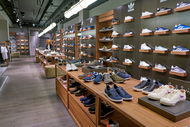
15 Visual Merchandising Techniques To Transform Your Retail Space
Published by The Global Display Solution on January 16, 2025, 3:43 am
A store that looks good tends to sell well. Most owners learn that the hard way.
Visual merchandising quietly decides a lot. How long a shopper lingers. Which shelf their eyes land on first. Whether they leave with one item or five. None of that happens by accident.
Do it well, and people stay a little longer than they planned. They pick up something they did not come in for. They leave in a good mood. Do it poorly, and the same shopper walks past a full shelf without seeing a thing. All that work you put into stocking it? Wasted.
So how do you get it right? That is what this list is for.
Below are 15 techniques worth trying. Some are small tweaks you can make before the weekend. Others take more planning and a bit of budget. All of them can help your store feel sharper, draw people in, and sell better.
Table of Contents
- Use Focal Points to Draw Attention
- Group Products with Purpose
- Optimize Your Store Layout
- Leverage Lighting
- Incorporate Interactive Displays
- Use Color Psychology
- Display Products at Eye Level
- Utilize Window Displays
- Incorporate Greenery and Natural Elements
- Offer Seasonal and Holiday Displays
- Add Storytelling to Your Displays
- Refresh Displays Regularly
- Highlight Promotions and Discounts
- Create Instagram-Worthy Spaces
- Use Signage Effectively
1. Use Focal Points to Draw Attention
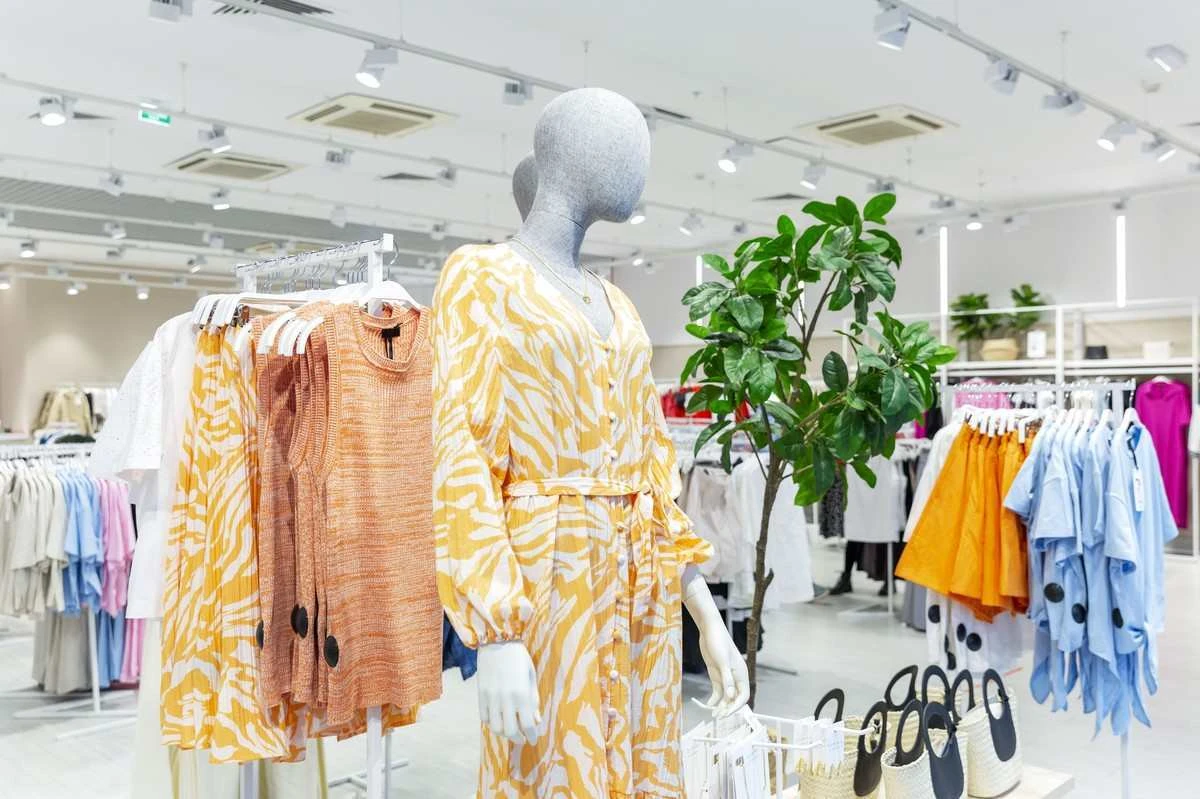
A focal point catches the eye and pulls shoppers toward a specific display. Think of it as the centerpiece of the story your store tells.
A mannequin in seasonal outfits near the entrance sets the tone right away. A bright digital screen showing dynamic content does the same job. These spots are not just decoration. They guide shoppers through the store with purpose.
High-traffic areas work best for focal points. Add bold colors, interesting textures, or directional lighting to boost their pull. Do this well, and casual browsers become engaged shoppers.
2. Group Products with Purpose
Grouping products with a clear theme tells a story and sparks impulse buys. Shoppers love finding everything they need in one spot. Place complementary items together, and you simplify the trip. You also inspire purchases they did not plan on.
Picture a summer display with beach towels, sunscreen, and swimwear. In a kitchenware store, group cookware, utensils, and recipe books for a warm culinary theme. These setups make shopping feel natural and look great.
Lifestyle settings take it further. A furniture store can show a fully styled living room with rugs, lamps, and cushions. Shoppers see how the pieces work together. That makes it easier to picture them at home. Good grouping adds convenience and often leads to multi-item sales.
3. Optimize Your Store Layout
Layout shapes how shoppers behave. A smart layout invites them to explore more, stay longer, and buy more. The goal is a journey through your store that feels easy and enjoyable.
Different stores need different layouts. Supermarkets often use a grid layout because it keeps things organized and efficient. Every aisle is a clear path. A loop layout creates a circular route that encourages browsing. Shoppers see more items, which can lift impulse sales. Boutiques often use a free-flow layout for a relaxed feel and creative displays.
Try a few layouts and watch how shoppers move. You will quickly learn what fits your store. For small spaces, our guide on small shop layout ideas that improve customer flow is a good place to start.
4. Leverage Lighting
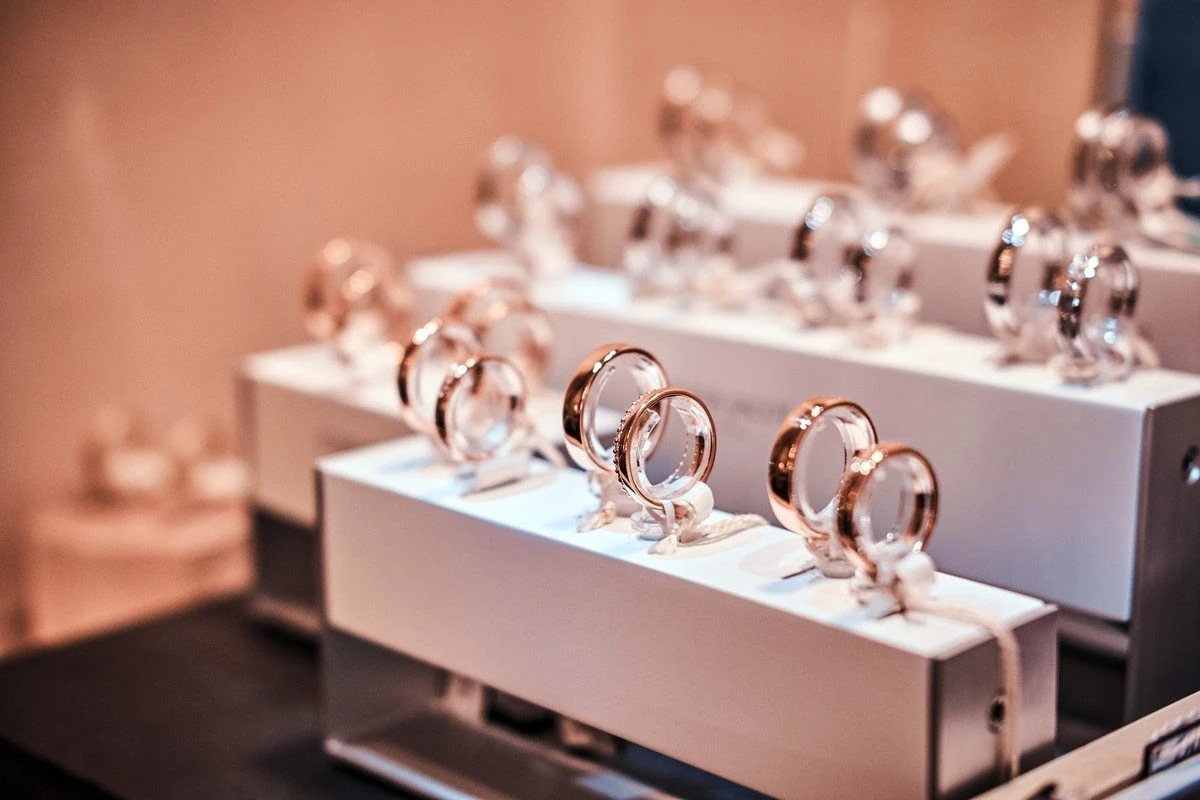
Lighting is one of the most overlooked tools in visual merchandising. It sets the mood and changes how products look. Soft ambient light feels warm. Sharp task lighting focuses attention. Each type has a job.
Accent lighting is a powerful way to highlight key products. Jewelry stores use bright, focused lights to make pieces sparkle. Clothing stores often use warm, diffused light in fitting rooms so shoppers look their best.
Energy-efficient options like LED lights cut costs and open creative doors. Color-changing LEDs can add motion to seasonal displays. Good lighting turns a plain setup into something polished.
5. Incorporate Interactive Displays
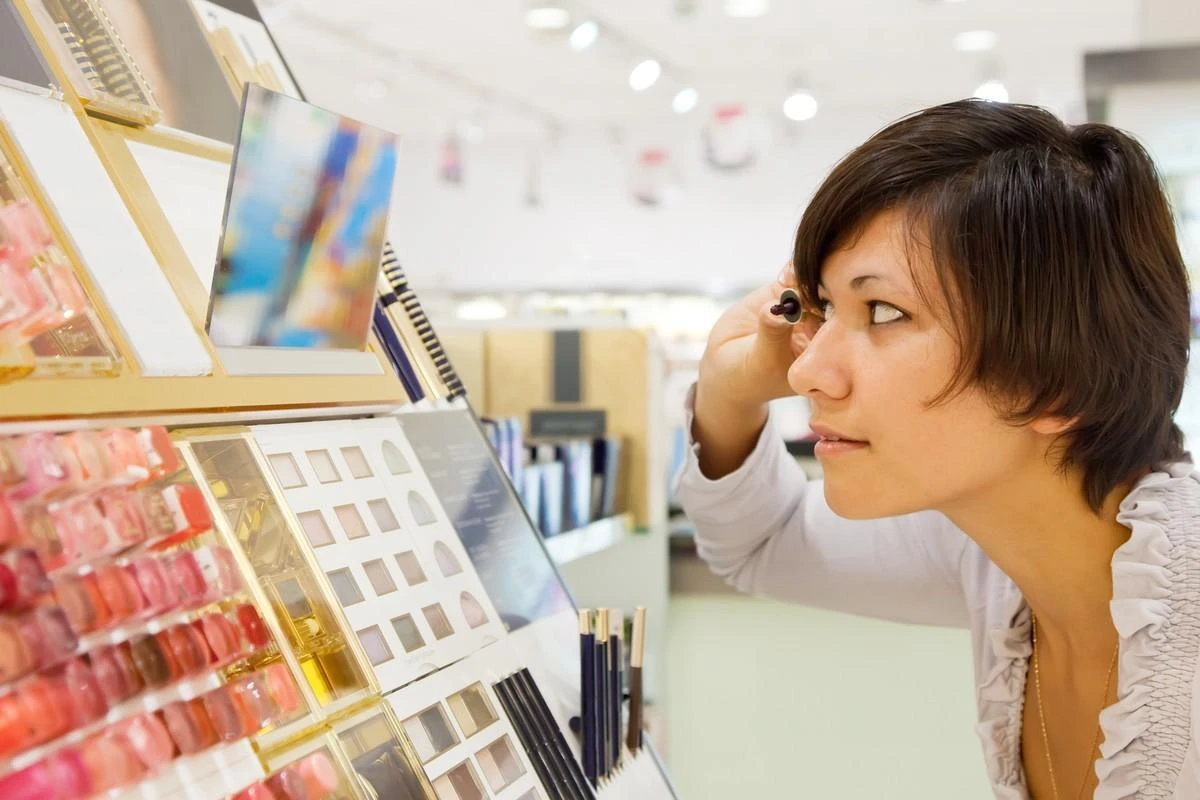
Interactive displays invite shoppers to engage rather than just look. That hands-on moment builds confidence in the product. It also makes a purchase more likely.
Beauty stores often set up makeup stations where shoppers can test products. Electronic stores build demo areas so people can try the latest gadgets. Even a small touch, like letting shoppers flip through fabric swatches, can make a difference.
If your budget allows, add technology. Touch-screen kiosks or augmented reality features take engagement up a notch. They can offer personalized suggestions or virtual try-ons. These moments stick with shoppers long after they leave.
6. Use Color Psychology
Colors stir emotions and shape behavior. In visual merchandising, the right color scheme can make a display. The wrong one can sink it. Warm tones like red and orange bring energy and excitement, which suits promo displays. Cooler tones like blue and green feel calm and trustworthy, which works well for luxury or health items.
Mixing complementary and contrasting colors adds depth. Pair vibrant yellow with neutral gray to make a display pop without overwhelming the eye. Seasonal colors tie your store to the moment and keep it feeling fresh.
Branding matters here too. When your displays match your brand colors, shoppers recognize you faster and trust what they see. For guidance on what to avoid, our post on 8 common colors to avoid when designing your retail signage is worth a look.
7. Display Products at Eye Level
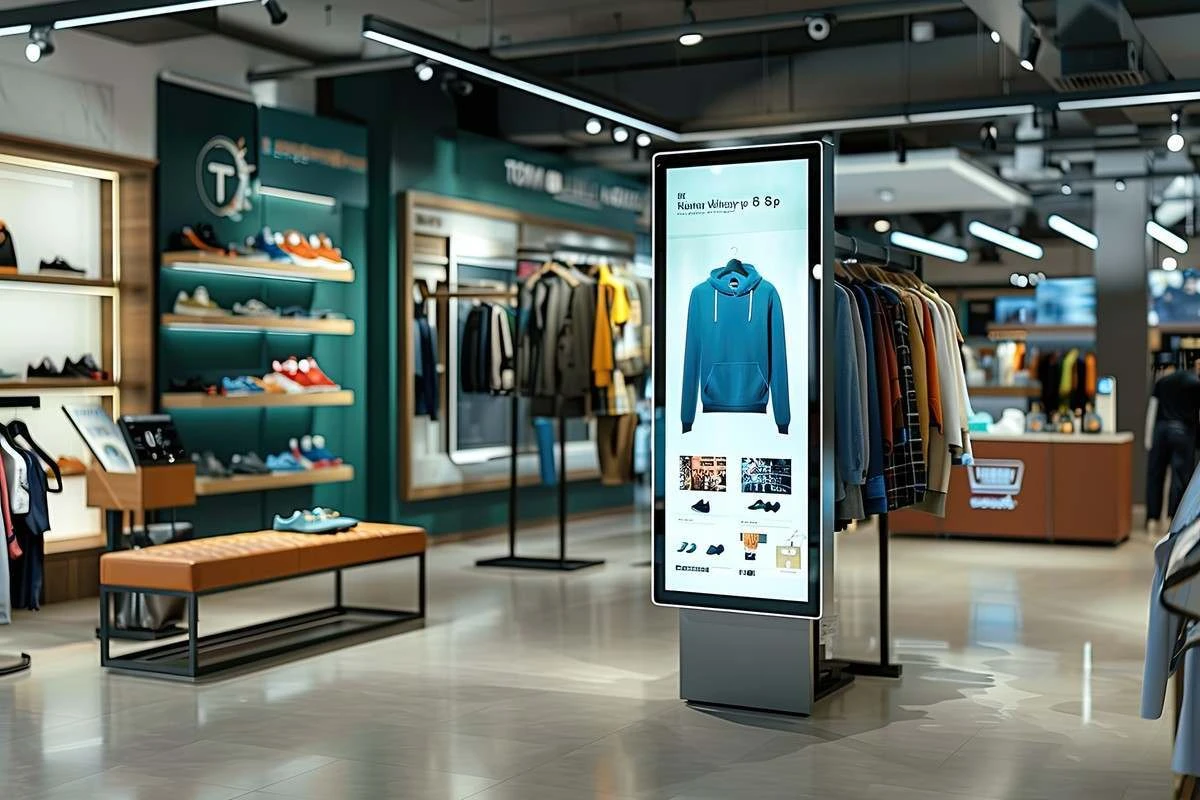
There is an old retail saying: eye level is buy level. Items at eye level are the first ones shoppers notice. That makes those spots prime space for high-margin or seasonal products. Put key items where they are easy to see. The odds of a sale go up.
That does not mean ignoring other shelves. Lower shelves suit kid-friendly items. Upper shelves can hold decor or overflow stock. The goal is a balanced display that works for different shoppers without feeling cluttered.
Rotate what sits at eye level. If regulars always see something new in those spots, they stay curious and explore more of the store. Our guide on retail fixtures height tips for functional store layouts covers this in more detail.
8. Utilize Window Displays
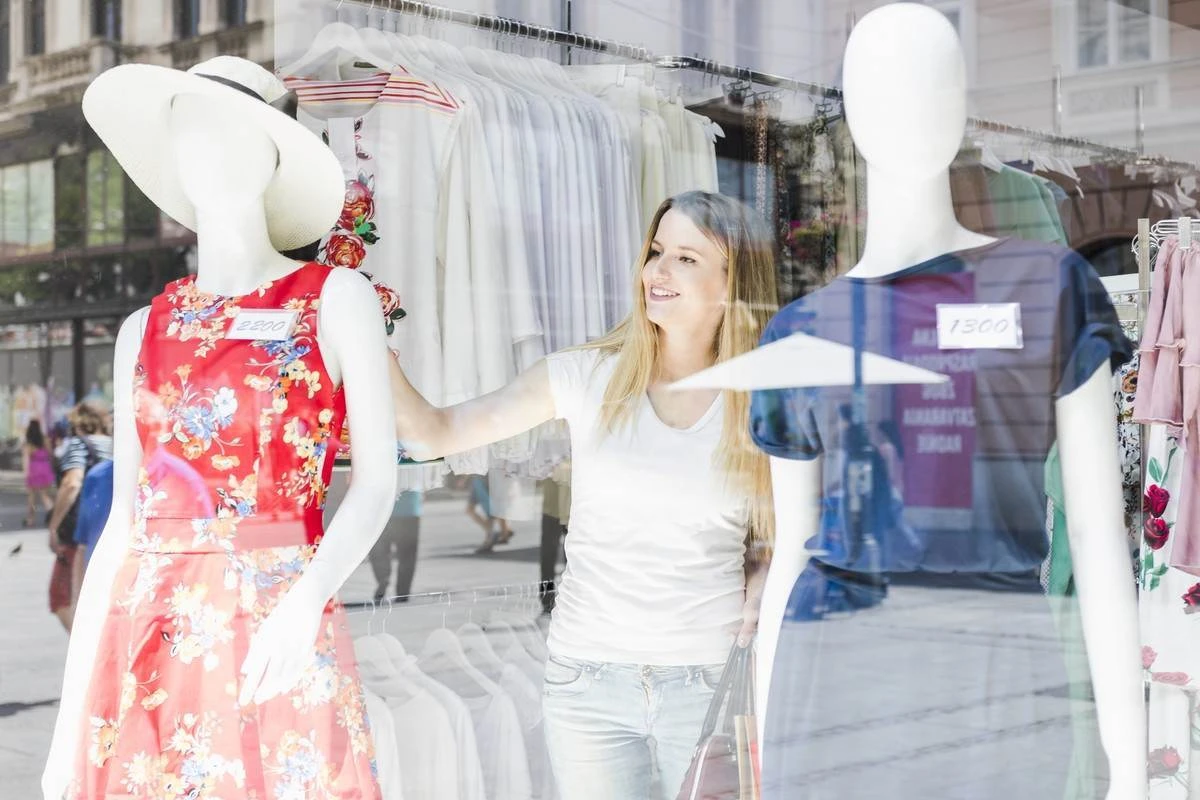
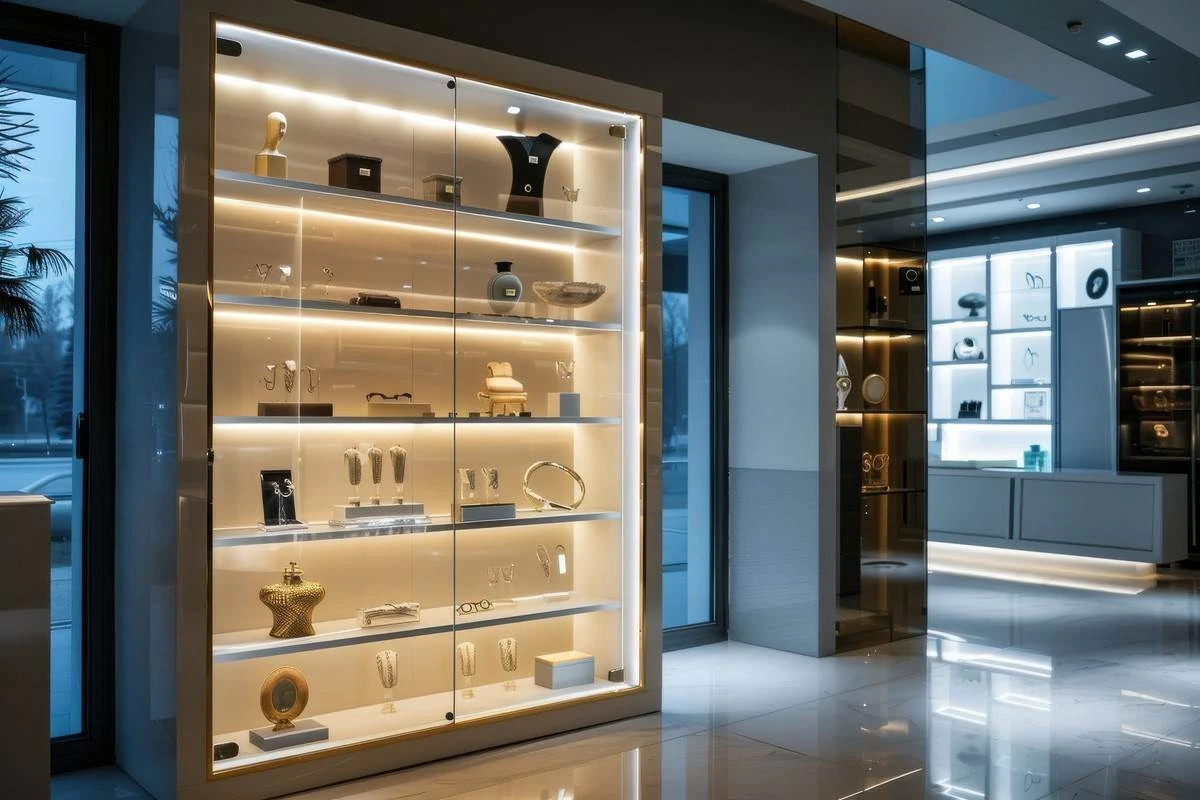
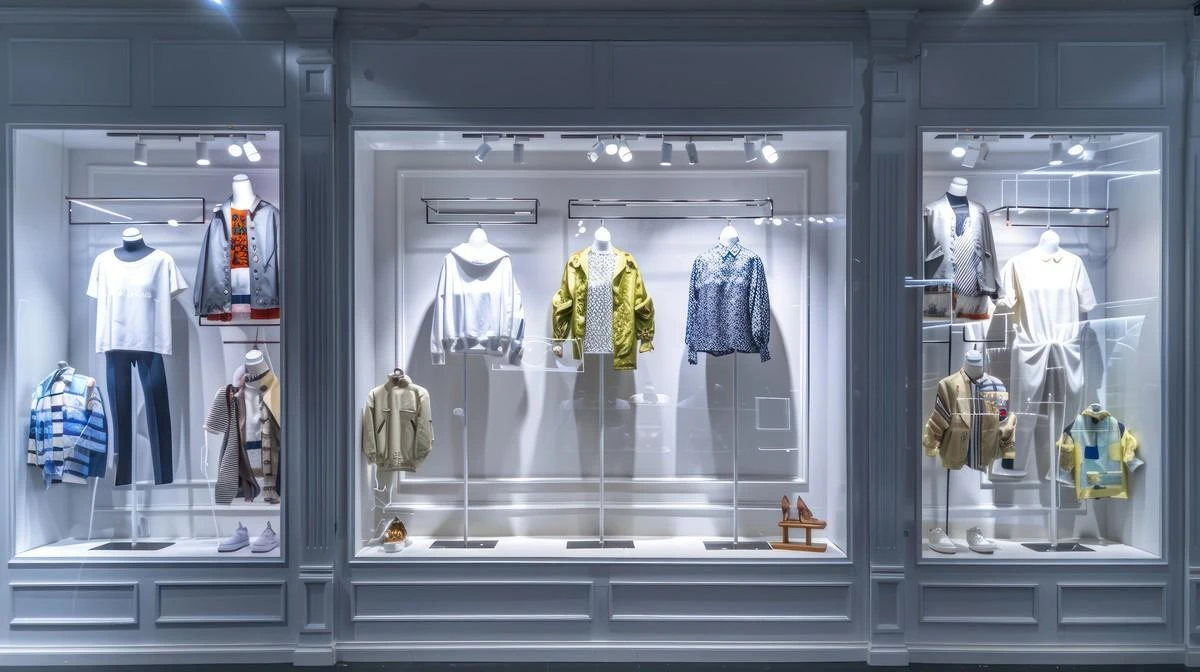
Your window display is the face of your store. It is your first shot at grabbing a passerby and getting them inside. A strong window drives foot traffic and sets expectations for what is within.
Seasonal themes work well here. A winter scene with faux snow and twinkling lights, or a bright summer setup with tropical props, tells shoppers what your store is about. Mix props, signage, and products for a cohesive look.
Movement and lighting effects add another layer. Rotating displays or interactive features make people pause. That pause often turns into a step through the door. For more on outdoor signage that pairs with window displays, see our post on different types of outdoor business signs.
9. Incorporate Greenery and Natural Elements
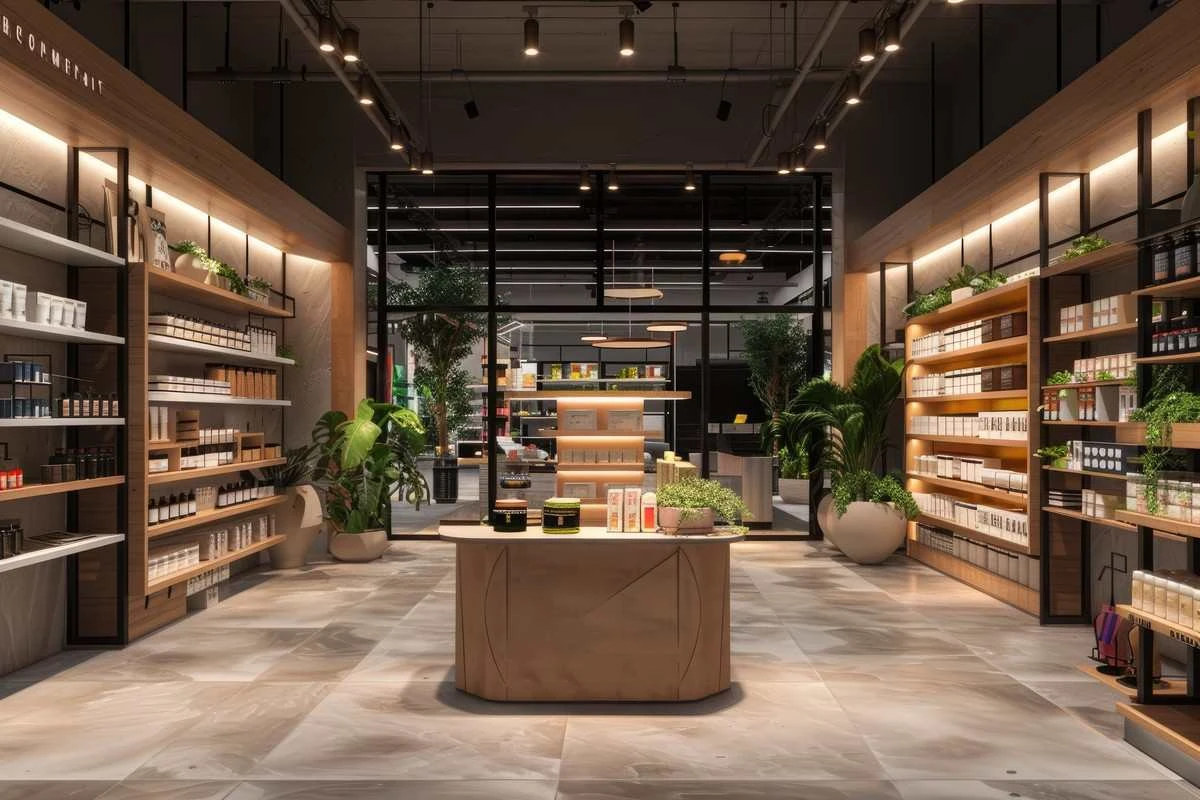
Natural touches bring calm and warmth to a store. Greenery softens the space and makes it feel less sterile. Even a small potted plant on a counter or a floral arrangement in a display can shift the mood.
Natural materials work too. Wood, stone, and wicker add texture and warmth to fixtures and decor. Wooden shelves or stone-topped tables feel inviting. They also match the growing shopper interest in sustainability.
You can use natural features to frame a focal point or highlight a product. That gives the item a premium feel. Shoppers looking for something authentic and carefully put together tend to respond well.
10. Offer Seasonal and Holiday Displays
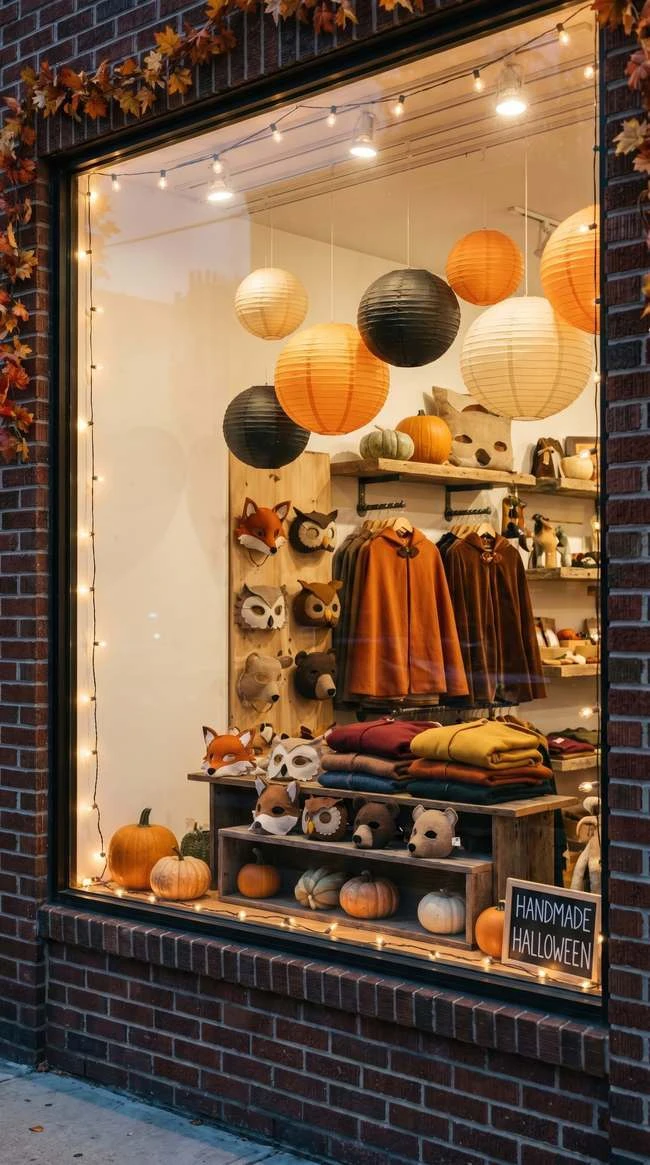
Seasonal and holiday displays keep your store looking fresh all year. They give you a chance to show products in a themed, creative way that connects with shoppers.
A fall display can feature pumpkins, cozy textures, and warm colors. During the holidays, lights, ornaments, and gift-themed props get shoppers thinking about presents. These displays do more than show products. They create a feeling. That feeling makes people linger.
Rotate these setups often. Returning shoppers should always find something new. That keeps your space lively and gives them a reason to come back.
11. Add Storytelling to Your Displays
Storytelling is one of the best ways to connect with shoppers. A display that tells a story helps people picture how a product fits into their lives. That taps into emotion. It also leads to stronger engagement and more sales.
A summer display with a picnic scene can feature blankets, baskets, and portable speakers. A fitness store might build a workout setup with yoga mats, water bottles, and activewear. These scenes make shopping feel immersive and fun.
When you plan a storytelling display, think about your audience. Use situations they relate to or aspire to. Simple backdrops, props, and thoughtful placement make the story clear.
12. Refresh Displays Regularly
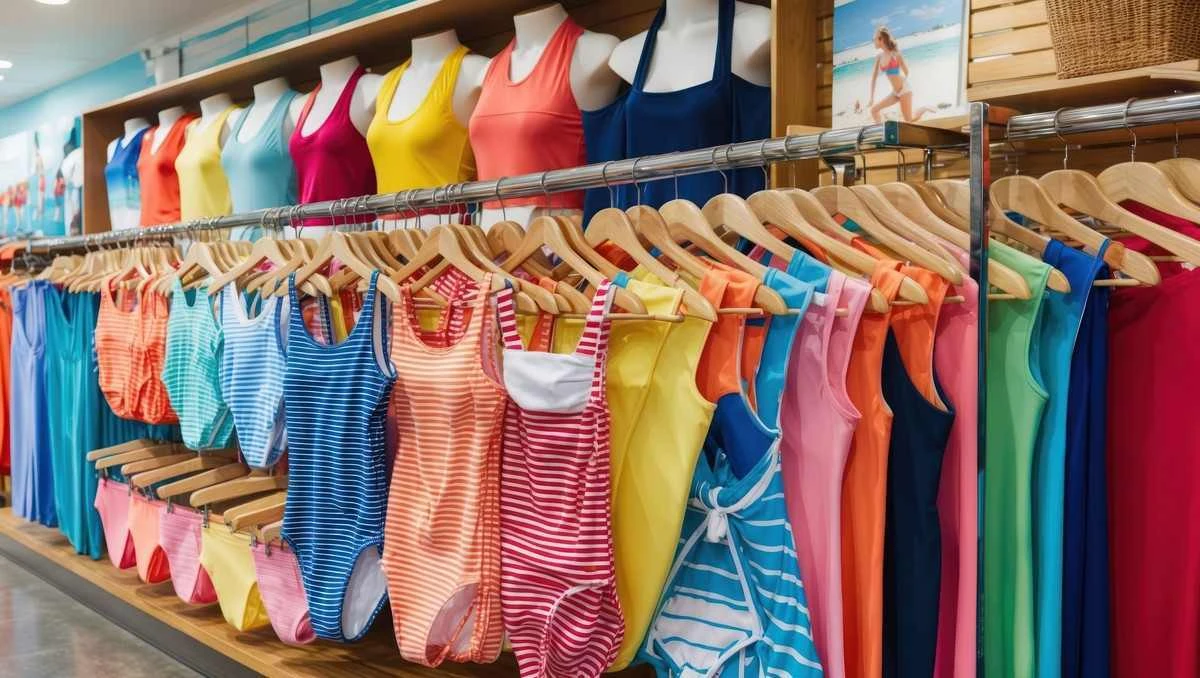
Stale displays make even great products look dull. Keeping things fresh creates excitement and gives shoppers a reason to return. It also lets you feature new arrivals, seasonal items, or limited-time deals.
Try small changes each week, like moving products or swapping props. Bigger updates can happen monthly or each season to match new stock or trends. A refreshed store signals that you are active and paying attention.
You do not need a full overhaul every time. Small tweaks, like new lighting or a fresh decorative piece, can make a real impact with little effort.
13. Highlight Promotions and Discounts
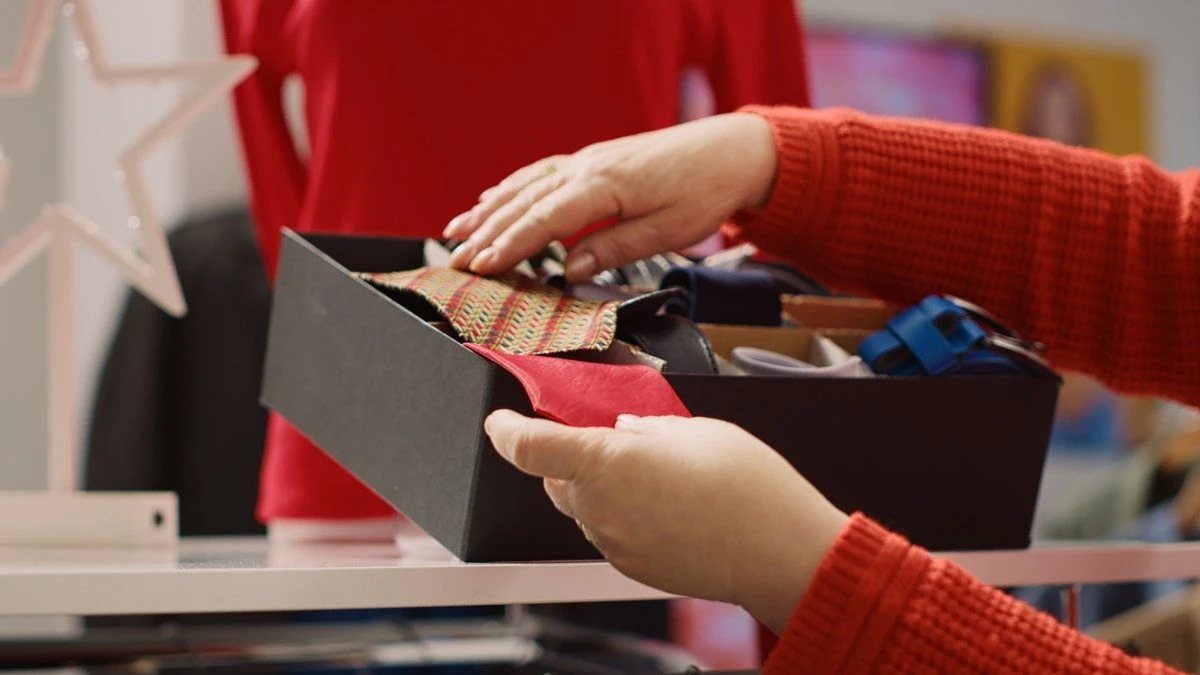
Promotions and discounts bring people in. Clear, attractive displays for these deals grab attention and push quick decisions. Signs, banners, or digital screens can show the savings and add a sense of urgency.
Bold fonts and colors help a promo stand out. Place these displays in high-traffic spots like the entrance or checkout counter. Pair discounted items with complementary products to raise the total sale. A shoe sale, for example, could sit near displays of socks or shoe care items.
Promo displays also show shoppers you value their loyalty. Highlight rewards programs, member deals, or upcoming sales to build a stronger bond. A floor stand sign holder is a simple way to call out a deal without cluttering the floor.
14. Create Instagram-Worthy Spaces
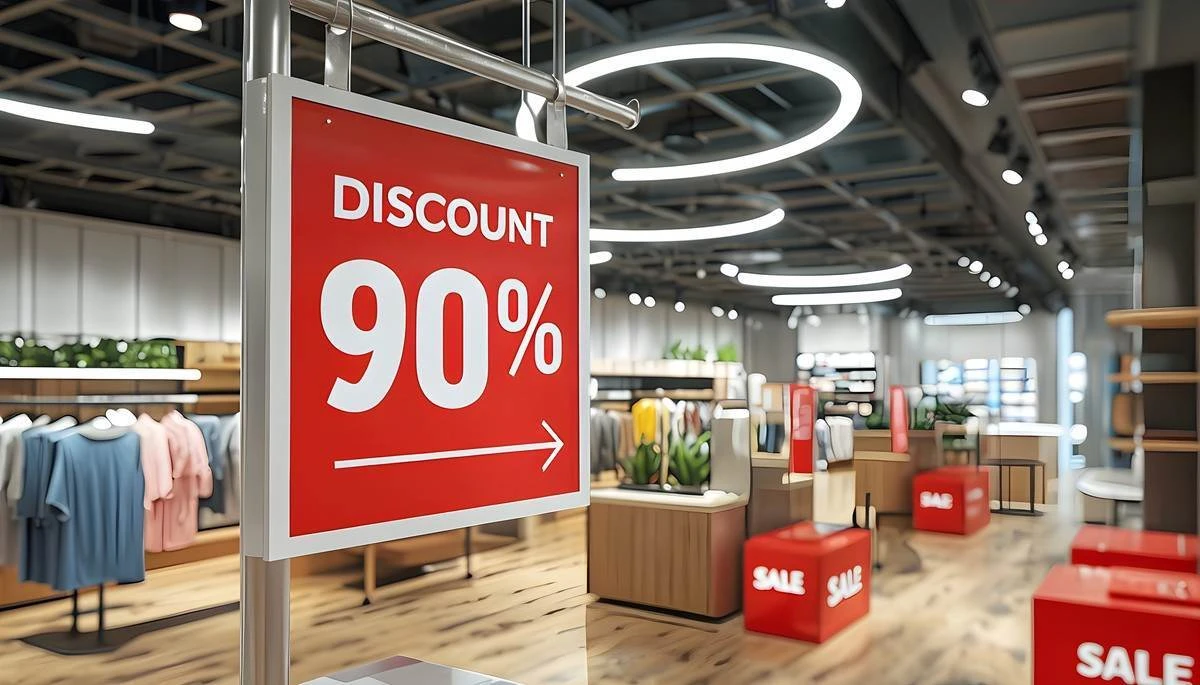
Social media is a strong tool for retail. A visually striking spot in your store invites shoppers to take photos and share them. That free promotion widens your reach and brings in new faces.
Design a dedicated photo area with props, branded backdrops, or creative lighting. Watch the trends your audience loves and work those in. Bold neon signs and vibrant murals are popular features that draw eyes.
These spaces are more than pretty. They are an extension of your brand. They also help build a real connection with your audience. The more shareable your displays, the further they travel.
15. Use Signage Effectively
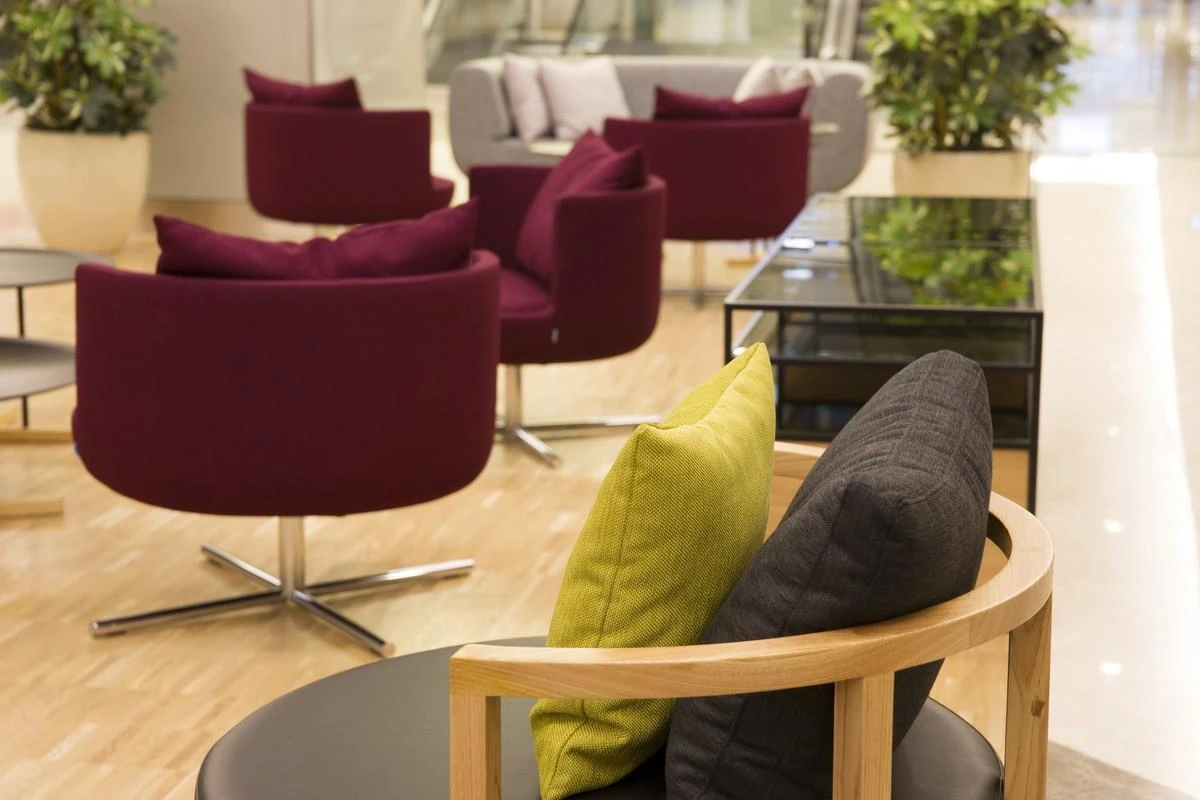
Signage guides shoppers and shares key info. It can direct traffic, highlight products, or share promo details. Good signage pairs clear messaging with eye-catching visuals.
Different signs do different jobs. Floor-standing signs can showcase deals. Shelf-edge tags can list product features. Door or window signs are great for store hours or seasonal promos. If you want to keep your signs safe and clean, our custom sign sleeves and sign protectors are a smart pick.
Keep the text simple. Use fonts, colors, and images that match your brand. Signs at eye level or near popular products work best. For a deeper look at what makes a sign easy to read, our sign visibility guide tips and best practices has you covered.
Transform Your Retail Space with The Global Display Solution
The Global Display Solution builds sign holders and shelf management systems that bring your visual merchandising ideas to life. From durable outdoor sign holders to sleek poster stands for indoor use, our inventory has what you need.
These tools do more than improve the look of your store. They help you communicate with shoppers and make your space easier to navigate. Good displays leave a lasting impression and lift sales.
Ready to refresh your store? We can help you turn your retail space into a place shoppers love to visit. Reach out to our team to see how our products can help your store succeed.